

Real Time Wind Turbine Blade Health Monitoring Technology
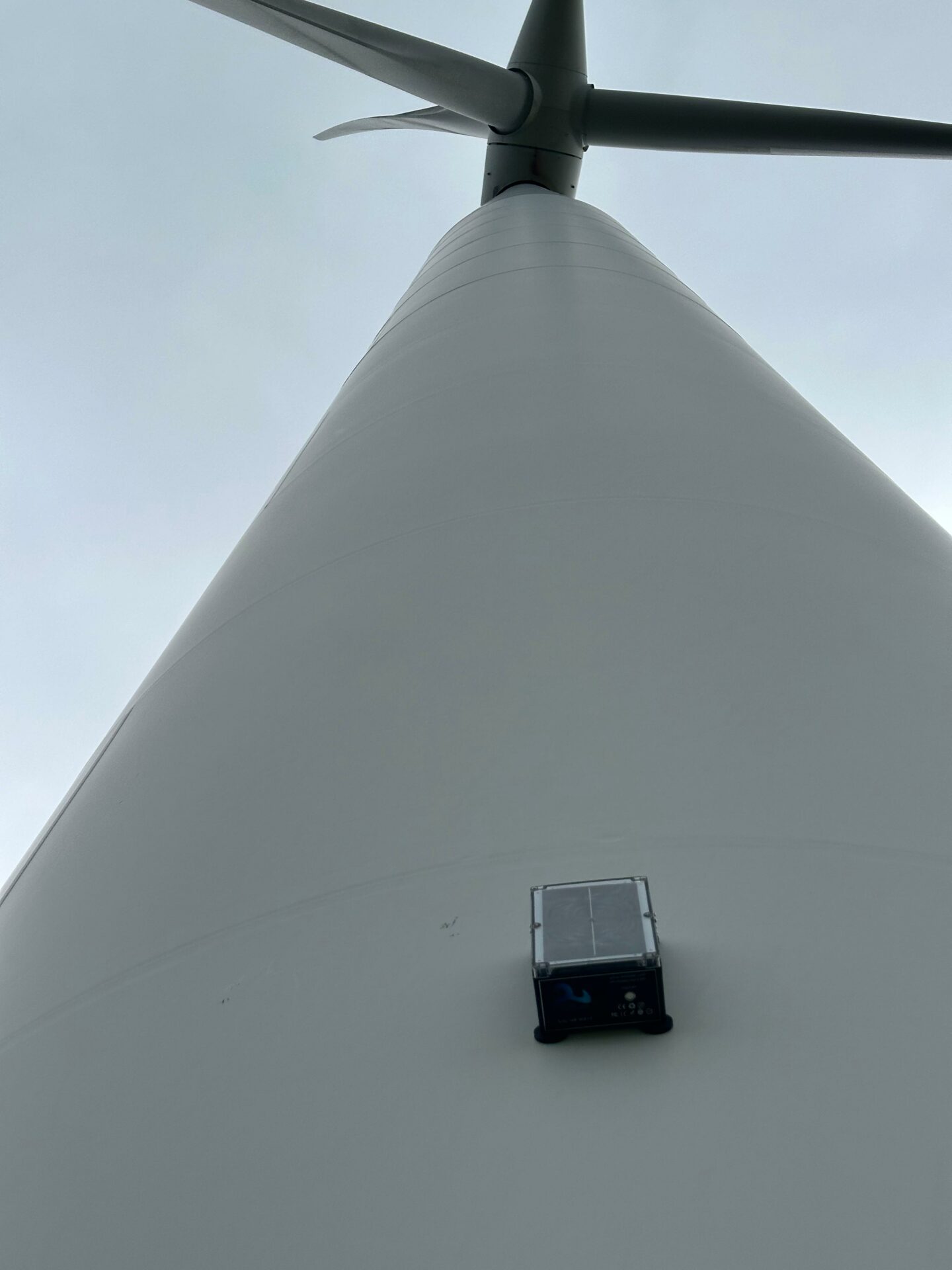
Real Time Wind Turbine Blade Health Monitoring Technology
Werover’s advanced technology makes it possible to monitor the structural health of wind turbine blades in real time. Through our Windrover App, operators can view live data, receive instant alerts alongside daily, weekly and monthly reports, detailing the insights about the health of the turbines and maintain full visibility over their blade systems anytime and anywhere.
Continuous 24/7 Monitoring
Our monitoring system operates around the clock, providing continuous updates on blade health conditions. This real time data enables early fault detection and reduces the risk of unexpected breakdowns or downtime.
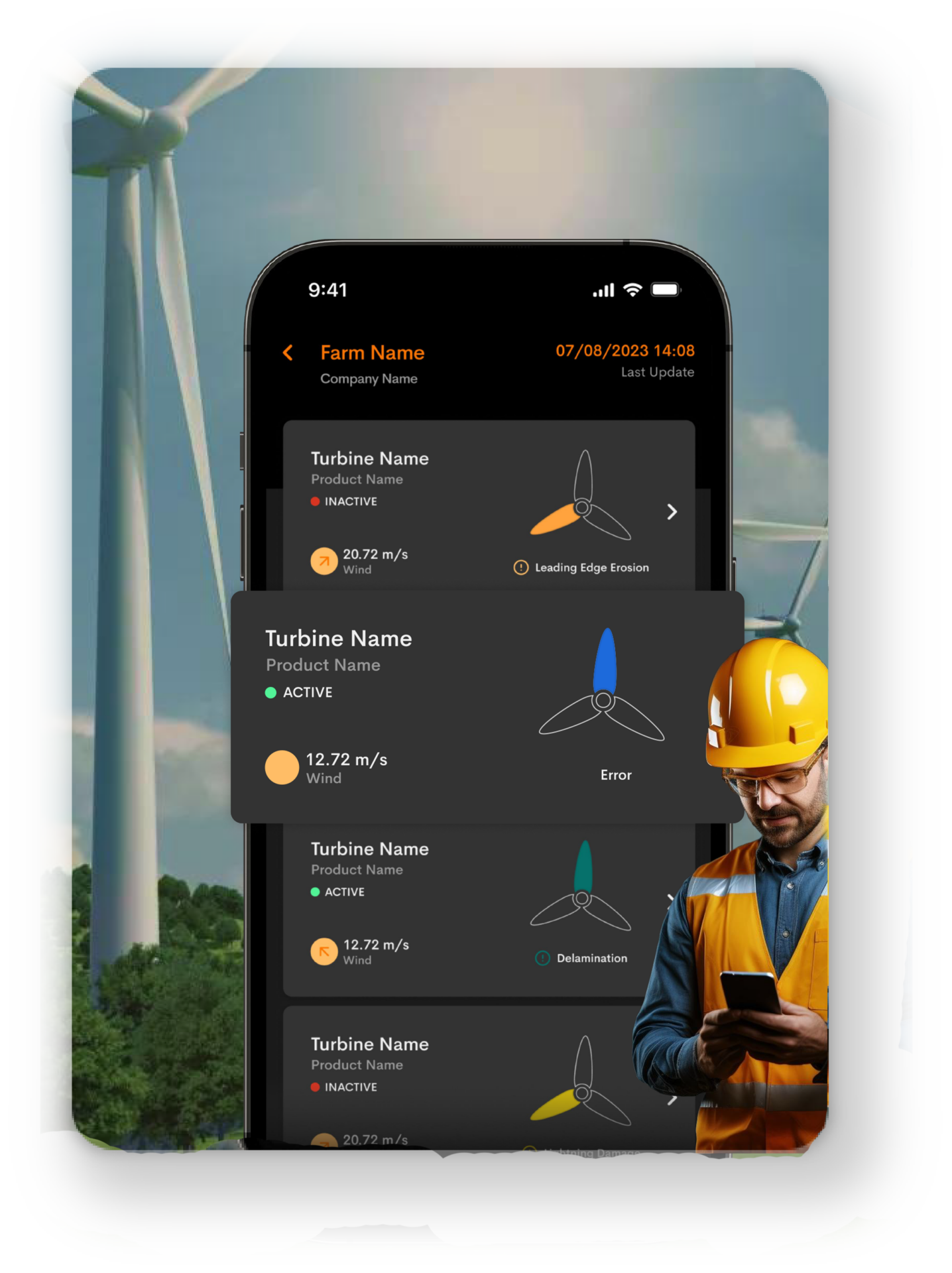
Windrover App – Full Control in Your Hands
The Windrover App allows users to track blade status through a clean and intuitive mobile interface. Health data from each turbine is instantly accessible, and push notifications are triggered in the event of any anomalies or operational issues. Thanks to its user-friendly interface, turbine operators can access the health status of any blade in the wind farm with just one click, anytime, anywhere.
Hardware and Software Working Seamlessly
Windrover combines high-precision onboard sensors with advanced AI-driven software to deliver real-time, actionable insights. While the hardware continuously captures structural acoustics patterns with exceptional accuracy, the software analyzes this data using proprietary algorithms and delivers clear diagnostics directly to your device. This seamless integration ensures early detection of even the smallest anomalies, minimizing downtime, optimizing maintenance, and preventing costly failures before they occur.
Frequently Asked Questions: Understanding Windrover’s Acoustic Monitoring
What Is Real-Time Blade Health Monitoring?
Real-time wind turbine blade health monitoring is the continuous observation of blade condition during operation using advanced sensor systems.
Unlike traditional wind turbine blade inspection methods which only relies on periodic drone or rope access inspections (only once a year) , Windrover uses a tower-mounted acoustic monitoring systemwith magnetic IoT sensors to capture acoustic signatures generated by rotating blades to monitor condition of the blades all the time. These signals are processed through an edge-to-cloud AI pipeline to detect and classify blade damage without requiring turbine shutdown.
This approach is also referred to as:
- continuous blade monitoring
- acoustic blade monitoring
- wind turbine condition monitoring systems
How Does Real-Time Blade Monitoring Help Reduce Unplanned Downtime?
Unplanned wind turbine downtime often occurs when small defects escalate into critical failures, especially during high-wind seasons.
Windrover helps reduce wind turbine downtime by detecting acoustic anomalies early before they evolve into severe structural damage.
Instead of reactive maintenance:
- Operators shift to predictive maintenance
- Repairs are scheduled during planned service windows
- Catastrophic failures and long production losses are avoided
This enables wind farm operators to prevent blade failure and maintain continuous energy production.
What Types of Blade Damage Can Continuous Monitoring Help Detect Earlier?
Windrover focuses on detecting surface-level anomalies and acoustic signatures related to:
- Leading-edge erosion (LEE).
- Surface cracks and delamination.
- Lightning-related acoustic anomalies (often linked to LPS conductivity issues).
- Structural pitch errors or trailing edge splits that manifest as distinct sound patterns.
By catching these at CAT 2 (growth potential) rather than CAT 4 (mandatory repair), operators can extend the asset’s life.
How Is Real-Time Monitoring Different From Periodic Blade Inspections?
Traditional methods such as drone inspections or rope access provide only a snapshot of a wind turbine blade’s condition, typically conducted once or twice per year. However, damage can occur shortly after an inspection, leaving potential issues undetected for months until the next scheduled check. In contrast, Windrover’s continuous acoustic monitoring system offers 24/7 coverage, enabling the detection of anomalies between inspection cycles, supporting trend analysis of blade condition over time, and helping operators determine the optimal timing for follow-up inspections. In essence, while drones provide visual validation at specific points in time, Windrover delivers continuous detection and serves as an early warning system.
Why Is Early Blade Damage Detection Important for Asset Protection?
Early detection is the key to maximizing Annual Energy Production (AEP). Small surface damages increase aerodynamic drag, which directly reduces efficiency. Furthermore, catching damage at an early stage is significantly more cost-effective; repairing a CAT 2 anomaly is a fraction of the cost of a CAT 5 emergency blade replacement or major structural composite work. Early damage detection allows operators to minimize performance losses, avoid costly replacements or major repairs. In short, detecting damage early is significantly more cost-effective than reacting to advanced-stage failures.
Which Teams Benefit Most From Real-Time Blade Health Monitoring?
- Asset Managers: Gain high-level visibility into fleet health and risk profiles.
- O&M Teams: Can move toward Condition-Based Maintenance (CBM), optimizing technician schedules.
- Technical Engineers: Receive raw data and AI-driven insights to analyze damage progression trends.
- Financial & Insurance Officers: Utilize time-stamped acoustic data as evidence for insurance claims and to lower risk premiums.
How Can Continuous Blade Monitoring Improve Maintenance Planning?
Traditional maintenance typically follows fixed, calendar-based schedules, regardless of the actual condition of the turbine. In contrast, Windrover enables predictive maintenance for wind turbines by leveraging continuous data analysis. Each turbine is monitored through a damage progression trend curve, allowing operators to understand how defects evolve over time. If the damage remains stable, maintenance activities can be safely delayed to more convenient periods; if rapid progression is detected, early intervention can be triggered before the issue becomes critical. This data-driven approach optimizes maintenance timing, reduces unnecessary inspections, and can lower overall maintenance costs by up to 50%.
How Can I Evaluate Whether Werover’s Real-Time Monitoring Solution Fits My Wind Farm?
Windrover is designed for high-compatibility. Since it is tower-mounted with magnets and requires no turbine shutdown for installation, it is an ideal retrofit solution for both onshore and offshore assets. If your goal is to reduce reliance on infrequent manual inspections and implement a continuous, AI-backed monitoring strategy that detects damage location and severity, Windrover is the right fit.
How Can I Get Started With a Windrover?
If your goal is to reduce downtime, detect blade damage at an early stage, and implement a predictive maintenance strategy, Windrover offers a plug-and-play, scalable monitoring solution designed for both onshore and offshore wind farms. By enabling continuous, AI-driven blade monitoring, it helps operators move from reactive maintenance to a more efficient, data-driven approach.
You can get started with Windrover through the following steps:
- Requesting a demo to understand how the system works in real-time
- Evaluating a pilot installation to assess performance on selected turbines
- Analyzing system insights and results directly on your wind farm operations
This phased approach allows you to validate the technology while minimizing operational risk and ensuring a smooth integration into your existing maintenance workflows.


